



Construction remains one of the most dangerous workplaces in the United States. Last year, about one in five workplace deaths happened on a construction site, and nearly half of them were from slips, trips, and falls, the single most common fatality on jobsites. The overall number of U.S. workplace has been steadily decreasing, but construction still accounts for a disproportionate share of the pie. That mix of modest national improvement and stubborn construction-specific risk is the baseline we’re carrying into 2026.
Two hallmarks will shape the construction accident picture for 2026: more work, and stricter regulation. On volume, public-sector spending tied to federal infrastructure laws and steady nonresidential demand continues to push activity higher into 2025 and 2026. Forecasters expect some growth in nonresidential construction through 2026, with institutional sectors (healthcare, education, public facilities) leading the way. More projects and more hours mean more risk, which historically correlates with higher counts of injuries unless offset by stronger prevention.
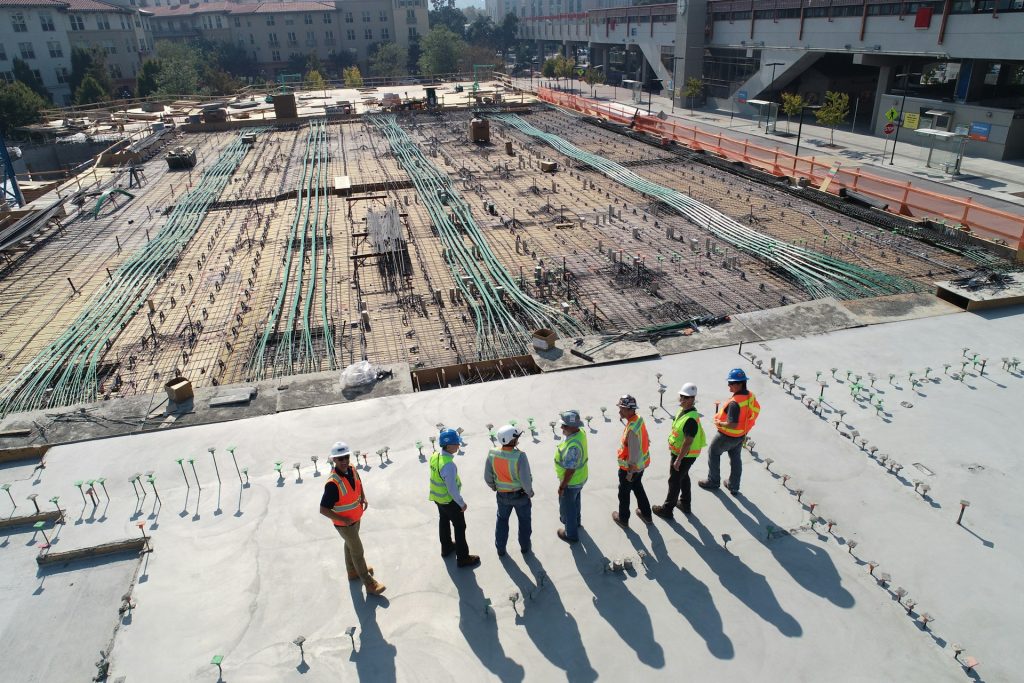
In terms of regulation, OSHA’s heat illness prevention standard is the biggest regulatory swing likely to affect 2026 sites. If OSHA finalizes the rule in 2026, contractors will face tough requirements around heat exposure plans, acclimatization, hydration, and medical response times, changes that should reduce heat-related injuries and deaths, especially for outdoor trades. Even before a final rule, advisors are warning employers to act as if a federal standard is imminent.
What Does That Mean in Practice?
If OSHA’s proposed heat rule takes effect in 2026, expect short-term friction—added costs, scheduling challenges, and documentation burdens—but medium-term safety gains. Combined with ongoing fall-prevention campaigns, these efforts could drive down severe-injury rates even amid high construction activity. The gains, however, won’t be uniform: small contractors and subcontractors with limited safety staff may struggle to comply, widening the performance gap between best-in-class and lagging firms.
Workers’ Compensation: A Stable Cushion
The workers’ compensation legal system remains financially strong. In 2024, the national combined ratio hovered around 86%, a profitable sum for insurers, with premiums declining and reserves appearing redundant. Entering 2026, that surplus provides stability: it allows for steady rates and, in some states, room to enhance benefits without threatening system solvency. Several jurisdictions have already paired modest rate cuts with selective benefit expansions. Kansas, for instance, raised death and total disability caps in 2024 after years of stagnation. If that trend continues, 2026 could bring improved wage-replacement and survivor benefits in a few more states.
The Policy Divide
Politics will shape uneven outcomes. Some regulators remain focused on controlling employer costs; others aim to modernize benefits or expand presumptions (such as PTSD coverage for first responders). The result will be a patchwork: by 2026, many workers may see better access, clearer notifications, or expanded coverage for specific conditions—but not universally. For construction labor that moves across state lines, these differences will continue to complicate compliance and legal planning.
The Wrongful-Death Layer
Construction fatalities often trigger wrongful death benefits as the exclusive remedy against employers, while third-party claims—against site owners, equipment makers, or subcontractors—move forward separately. The value of these civil cases depends largely on state damage rules, which vary widely.
California’s AB 35 (2022) launched a decade-long increase in medical malpractice noneconomic caps, indirectly influencing wrongful-death valuations. By contrast, New York’s repeated vetoes of emotional-distress expansions have kept its wrongful-death damages narrowly tied to economic loss, maintaining a defense-friendly environment. Across the country, some states are loosening or tightening caps on noneconomic or punitive damages, creating divergent outcomes. Entering 2026, recoveries for bereaved families will continue to hinge on jurisdiction and the identity of non-employer defendants.
Outlook for 2026: Slightly Better, but Uneven
- Safety: If OSHA’s heat rule is finalized and fall-prevention efforts persist, the most catastrophic risks should decline. Still, overall incident counts may remain high as smaller employers lag in compliance.
- Compensation: Strong system solvency gives policymakers flexibility. Expect modest benefit upgrades or modernizations in selected states, with overall access remaining robust by historical standards. Yet geographic disparities will persist, and insurers in rate-reduction states may handle complex construction accident claims more conservatively.
- Wrongful Death: No sweeping federal changes are likely. Some states will preserve or tighten caps, while others expand them gradually. Outcomes for families will stay highly state-dependent, making third-party strategies critical.
The Practical Takeaway
For workers and unions, keep pushing upstream: demand rigorous fall protection, enforce heat-illness plans, require consistent subcontractor compliance, and document hazards early.
For employers, assume the heat rule will be enforced—budget for training, shade, water, and rest—and tighten oversight on multi-employer sites.
For counsel, maintain a dual-track approach: secure prompt workers’ comp benefits while pursuing viable third-party claims, tailoring damages arguments to each state’s cap structure.
If these strategies align, 2026 could mark a modest but meaningful step toward safer worksites and fairer recoveries—even within a fragmented system.
