



Scalping and day trading traders benefit the most from leverage as an essential tool within their trading business. Through usage of leverage traders gain control over larger trades by using small capital amounts thus both increasing winning potential and maximum risk exposure. Whenever employing leverage for profit enhancement traders must grasp effective risk management principles because this tool comes with potential big losses. This article examines the essential role that leverage plays in scalping and day trading approaches together with their respective advantages and risks and presenting effective strategies for its implementation.
Understanding Leverage in Trading
Through leverage traders gain access to borrowed funds that help them expand their business exposure to the market. Brokers and market regulatory bodies provide the ratios used to express leverage which range between 10:1 to 100:1. Using leverage allows traders to manage a value range from $10 to $100 or $500 worth of assets with every dollar invested.
Leverage serves as commonly used financing in the forex market through providers offering exceptionally high ratios. Proper risk management needs to be essential when using leverage because increased market exposure means traders both profits more or suffer serious financial losses.
Scalping and Leverage
The trading approach called scalping allows traders to execute multiple transactions while seizing minimal price changes during the day. The goal of scalpers is to recognize minimal market fluctuations that happen within short time spans while needing exceptional market awareness plus rapid execution abilities.
How Leverage Enhances Scalping
- Leveraging positions enables scalpers to maintain bigger positions because their trading goal is to achieve minimal profits between trades.
- Scalpers who rely on leverage with their limited financial capital obtain better market entry and actively trade several times.
- Leverage enables scalpers to execute trades rapidly while allowing them the necessary speed to adapt quickly to movements in the financial market.
Risks of Using Leverage in Scalping
- Market volatility impacts scalping traders adversely since they execute numerous deals through leveraged positions which creates significant financial risks when markets move unfavorably.
- The danger of hitting margin calls becomes greater when traders employ high leverage because they must choose between depositing additional funds or declining positions at losses.
- Using high margin when trading exposes traders to emotional decisions that push them to open too many positions simultaneously or force them to leave trades prematurely.
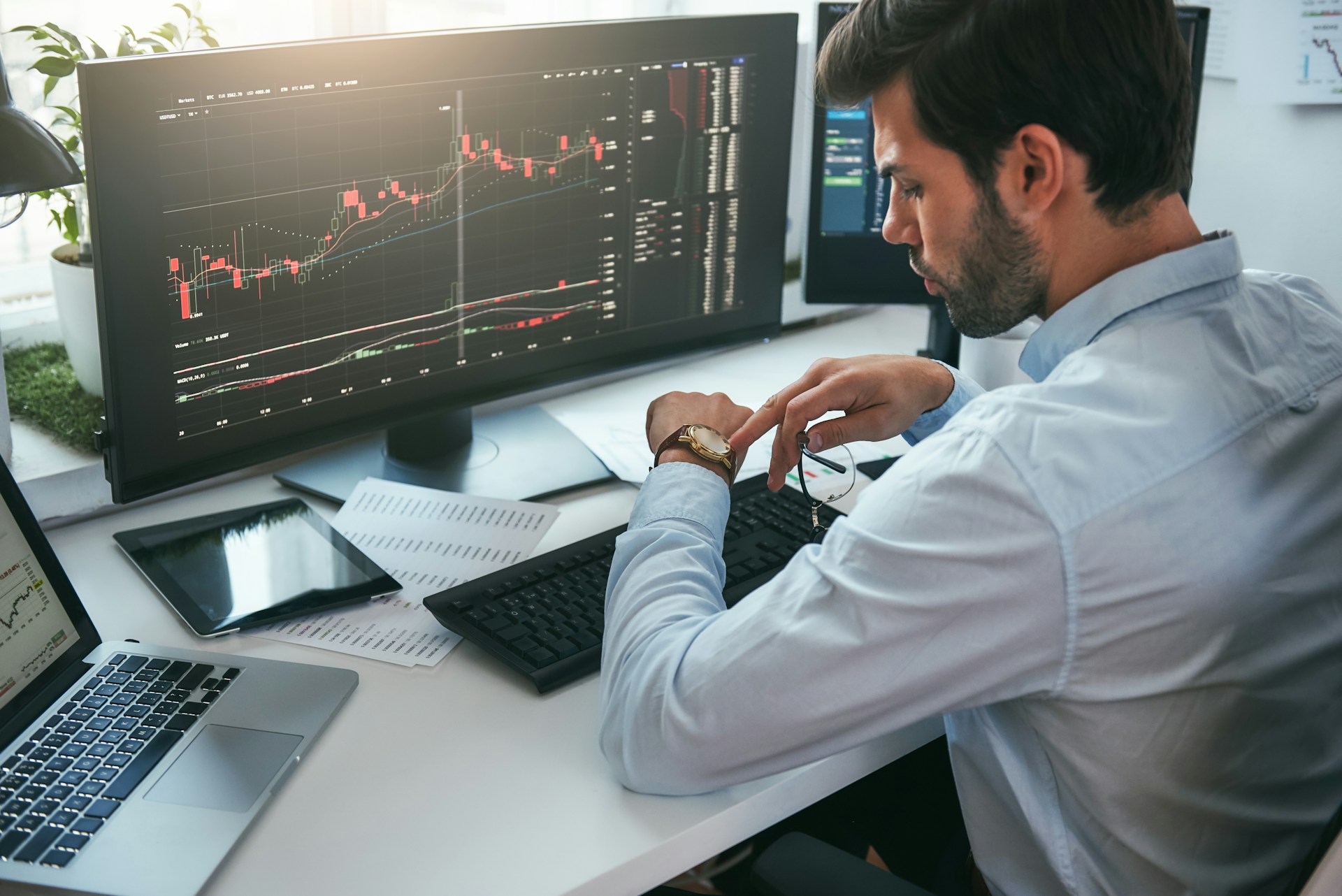
Leverage in Day Trading
Within a day traders implement short-term trading methods by opening and closing positions during the same trading day session. Day traders maintain their market positions for several hours because they seek larger price fluctuations compared to scalpers.
Benefits of Leverage for Day Traders
- Traders who operate during day sessions make the most of minimal price changes through strategic capitalization. When traders apply leverage, it enhances small price movement profits which results in substantial earnings.
- Leverage enables traders to spread investments across various assets which lowers their dependence on single trades for making profits.
- The availability of leverage enables traders to distribute funds better so they keep reserve capital for new trades and risk prevention.
Risks Associated with Leverage in Day Trading
- The combined use of leverage enables traders to lose more money than they invest through markets because increased exposure occurs without proper risk management systems.
- Profit margins from leveraged positions will decrease because of accumulated interest expenses that occur while positions remain open.
- Trading during highly volatile conditions generates price gaps that result in slippage which makes an impact on execution quality and adds to trading losses.
Effective Risk Management Strategies for Leveraged Trading
To utilize leverage successfully with minimized risks traders require implementing proper risk management strategies including:
- A trade is automatically exited through stop-loss orders that establish specific price points to minimize losses.
- The number of open trades must be determined through a calculation which factors in risk tolerance and account value.
- High leverage usage produces swift financial damage since it exceeds trader capabilities. The selection of suitable leverage ratio should match both trading risk tolerance and trading experience.
- A structured trading plan with entry and exit strategies provides disciplined traders who use it protection from spontaneous market actions.
- The assessment of market conditions needs to happen frequently since economic news together with market trends and geopolitical events will affect trading conditions. Knowledge about current financial markets helps traders improve their performance in making choices.
Choosing the Right Broker for Leveraged Trading
The selection of a respected broker guarantees accomplishment in leveraged trading activities. Every trader should evaluate these elements before making their selection:
- Insurance companies which operate in leveraged trading should hold proper authorization from a credible financial regulatory institution.
- Different brokerage firms provide different leverage options to users. Your trading method should help determine which broker you select.
- A useful trading platform offering speed and risk management capabilities alongside advanced charting functions should be chosen.
- To evaluate a broker, you must review their fees together with their support service while examining their transaction costs specifically spreads and commissions.
Traders looking to maximize their market exposure can simply open an account with high trading leverage by partnering with a suitable forex broker. When engaging in leveraged trading one should use caution through a proper risk management plan.
Conclusion
Leverage serves as a fundamental component in scalping and day trading because it increases both trading potential profits and potential risks. Strange traders who master leverage usage can use it to seize market opportunities while needing strong risk control abilities and expert knowledge about trading strategies. Traders need to use stop-loss orders together with proper position sizing and a structured approach to market participation when doing either scalping or day trading. Effective leverage utilization becomes possible for traders when they decide a broker that suits their needs and approach decisions based on information.
